About Aid4Aid
In 2015 a handful of neighbours in Kirstenhof started a WhatsApp group about the stray animals in their streets. It is now a registered NPO with more than 2 000 rescues behind it.
Who we are
A no-kill rescue in Cape Town's greater South
Aid 4 Animals in Distress — Aid4Aid — rescues, rehabilitates and rehomes animals in distress: injured, abandoned, abused and stray animals in Kirstenhof and the surrounding southern suburbs.
We were born in 2015, when a group of animal-loving people started a WhatsApp group to coordinate the rescues we were already doing in our own neighbourhood. The network grew quickly, and in April 2016 Aid 4 Animals in Distress was formally constituted as a registered NPO.
We are still working professionals doing this over and above our day jobs, entirely voluntarily. There is no paid management, no premises and no government funding — we rely on the generosity of supporters and of companies who back the work.
There is also no shelter, and that isn't an oversight. Every animal lives in a foster home from the moment they are rescued until the day they are adopted, which is why we know our animals well enough to place them properly.
Rescue, rehabilitate, rehome
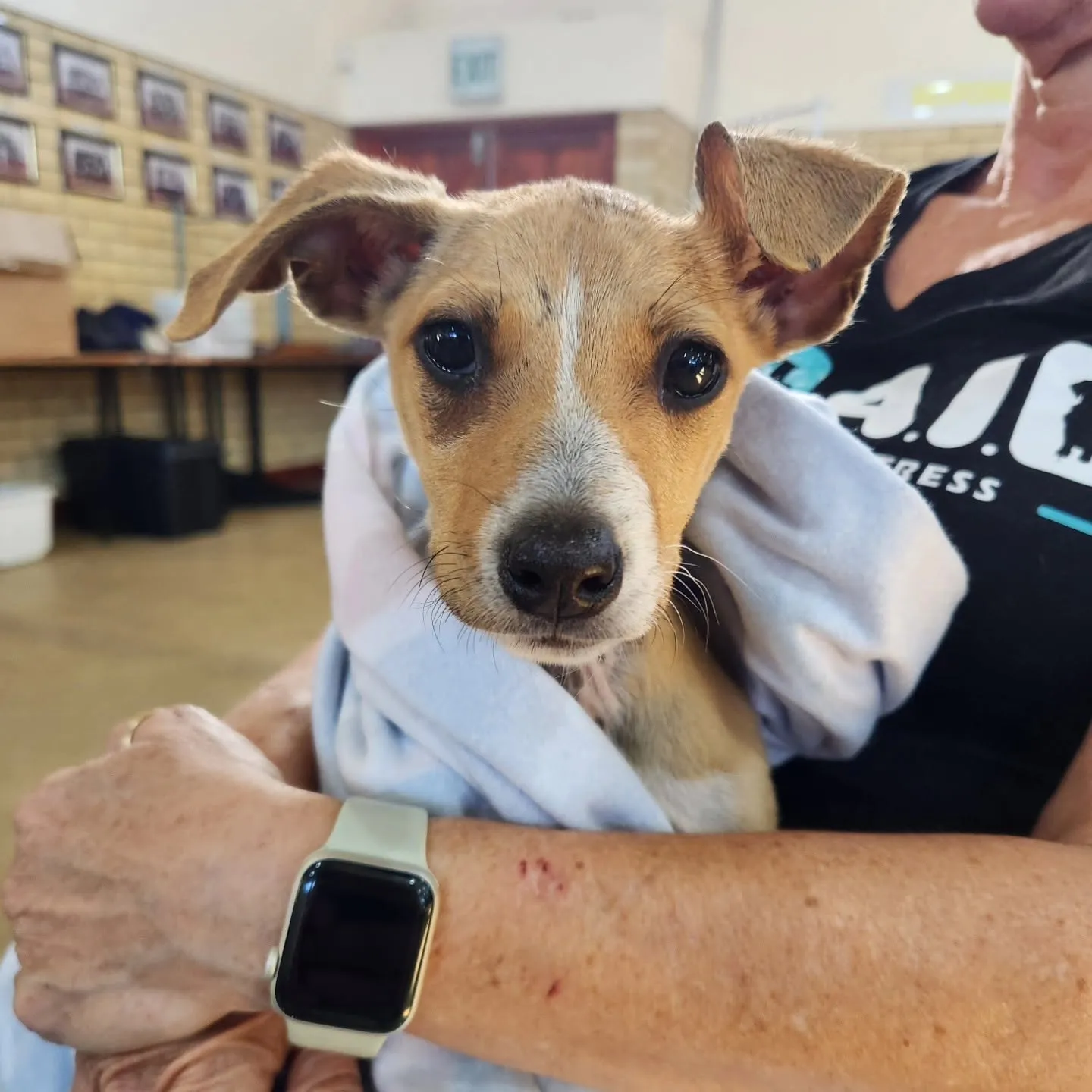
We take in injured, abandoned, abused and stray animals from Kirstenhof and the surrounding southern suburbs — and have done, over 2 000 times.
There is no shelter. There never has been. Every animal lives in a foster home from the moment they're rescued until the day they're adopted, and we cover all food and all medical costs so that fostering costs the household nothing.
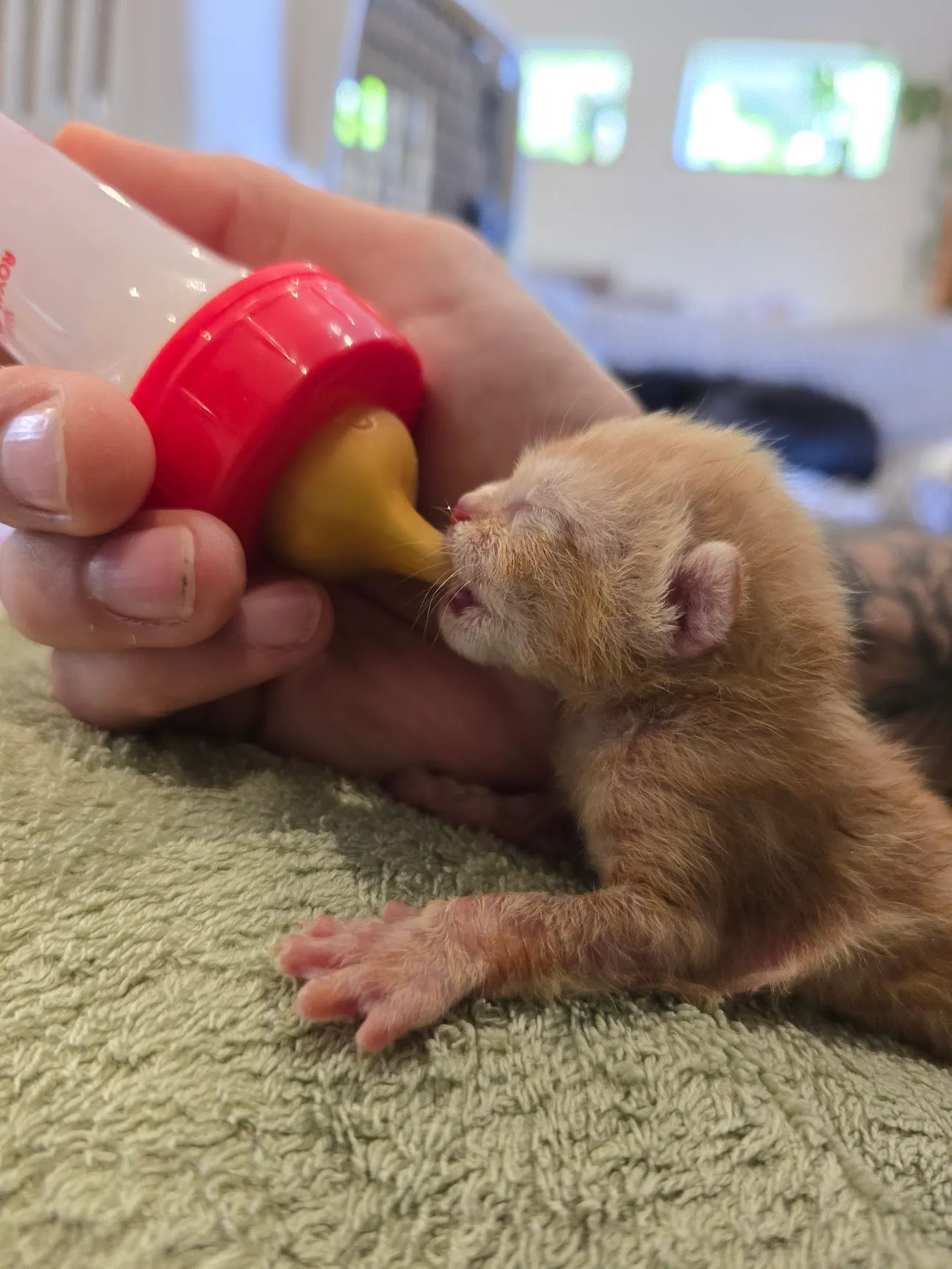
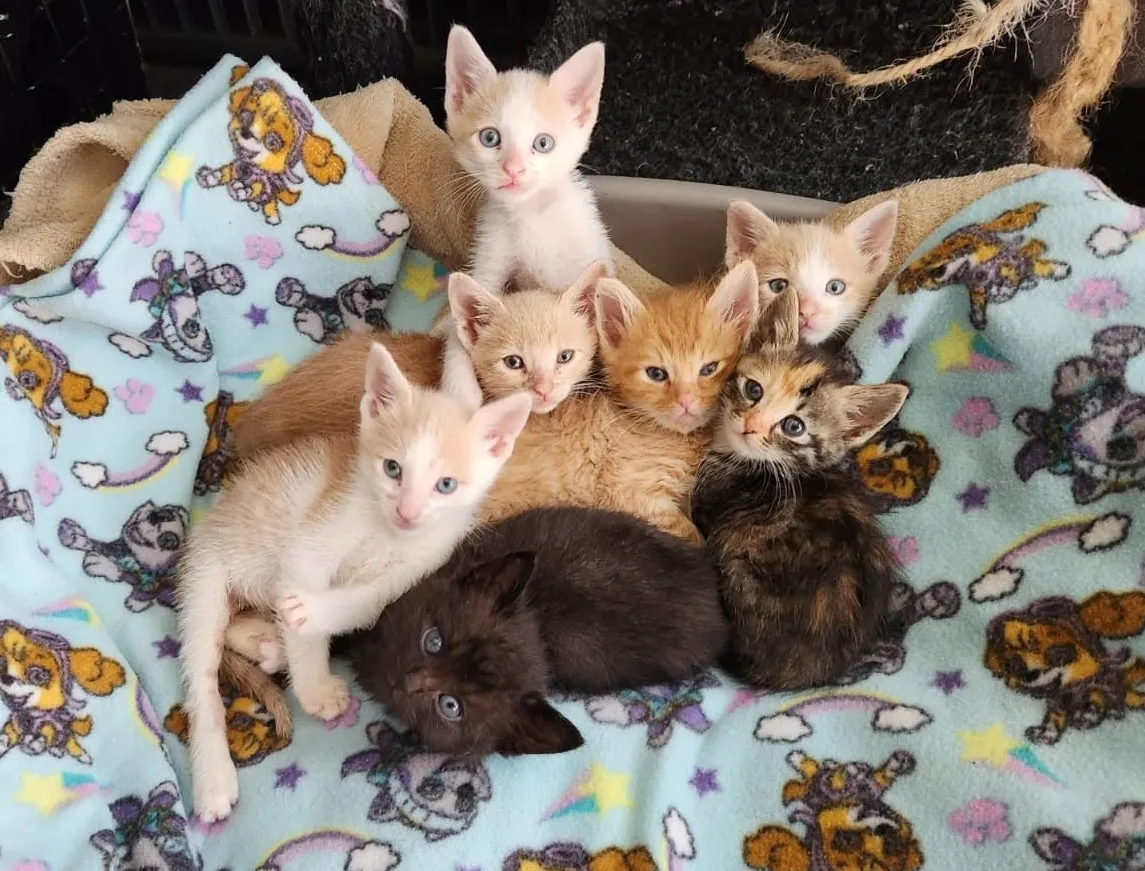
That model is why the matching works — an animal who has lived in someone's house for three months is an animal whose temperament is actually known. It is also the hard limit on how many we can save at once: with no spare foster homes, the next rescue can't happen.
Adoption costs R1 200. By that point the animal has cost us around R3 000 in vet care, sterilisation, vaccination and food.
Mass sterilisation
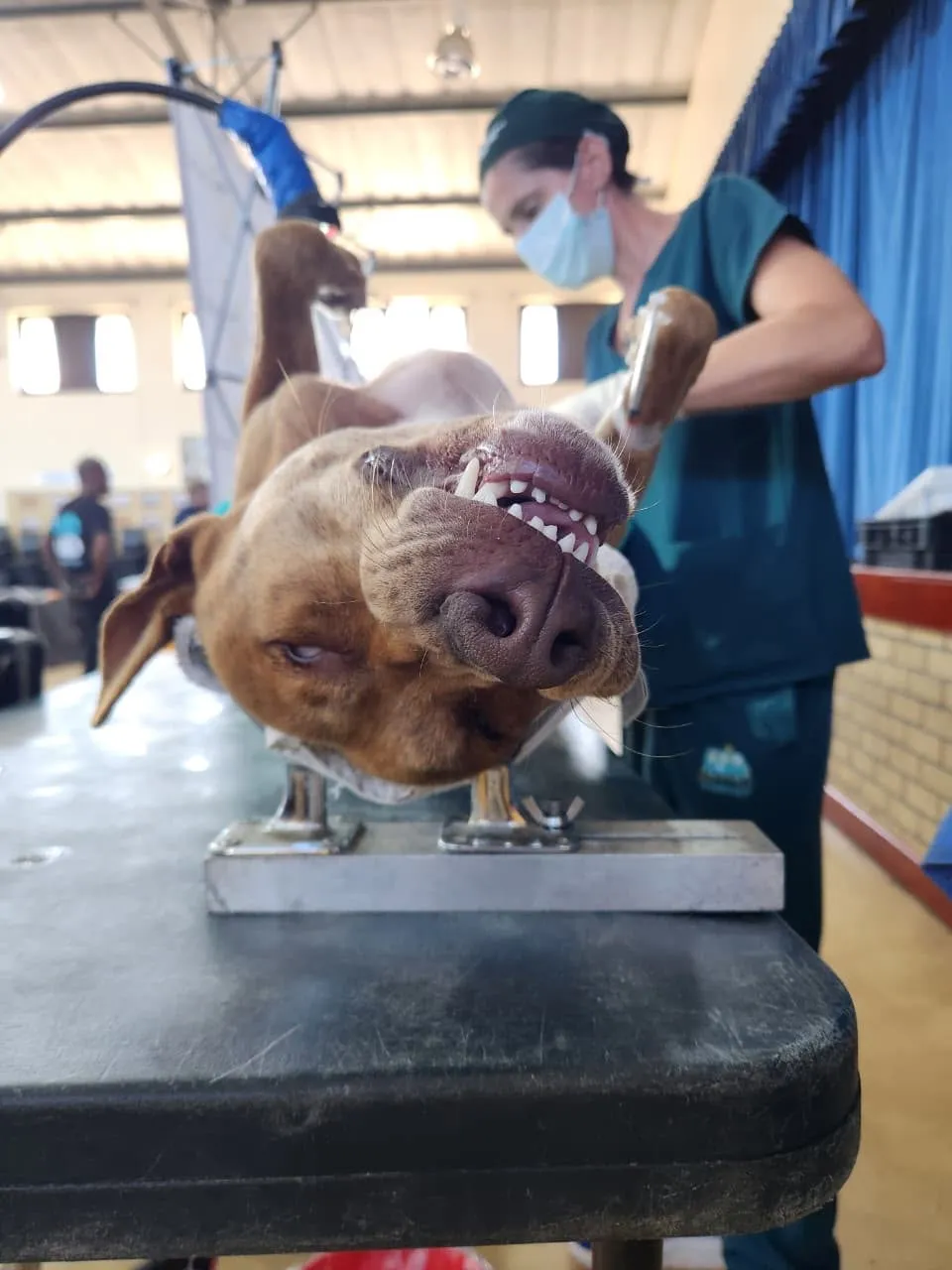
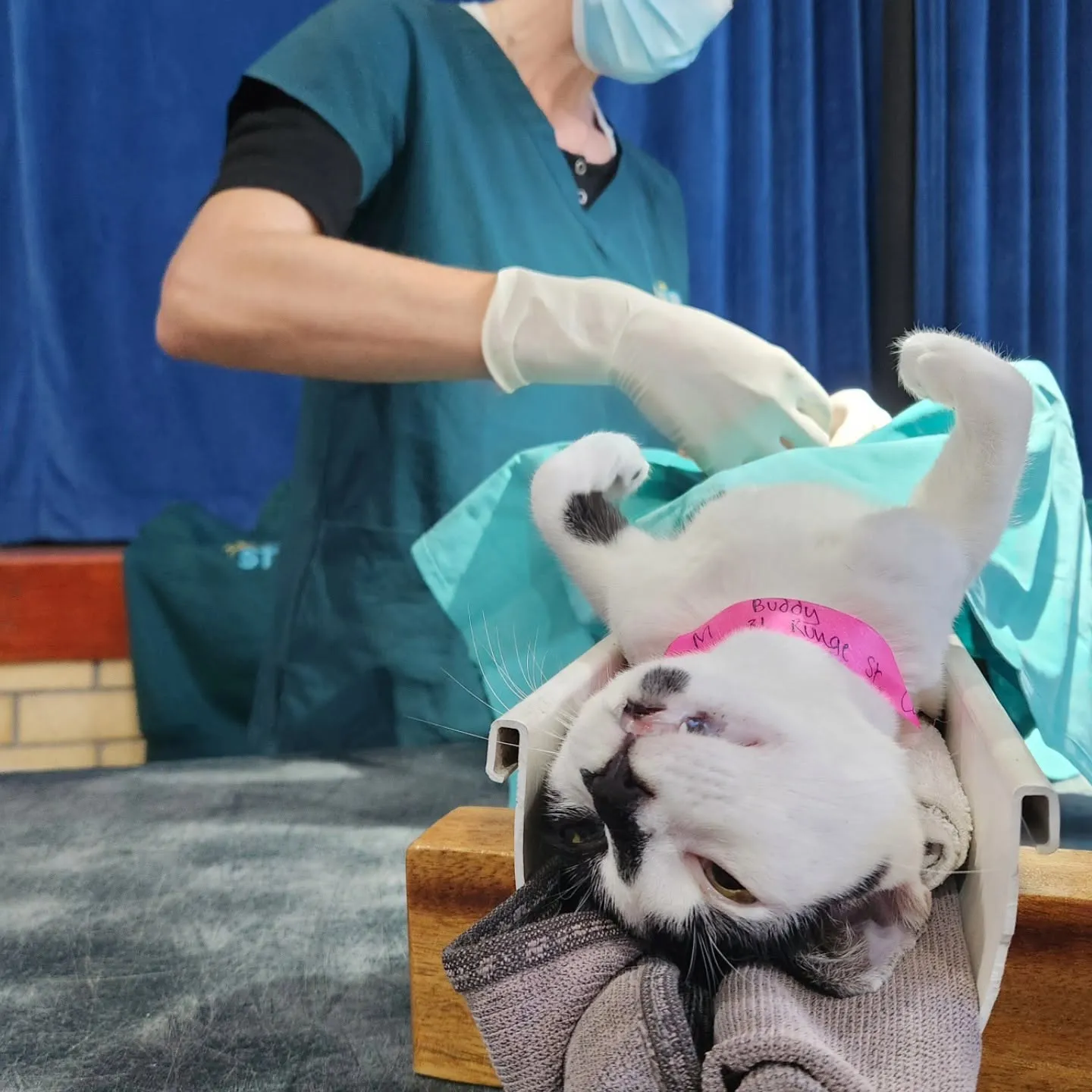
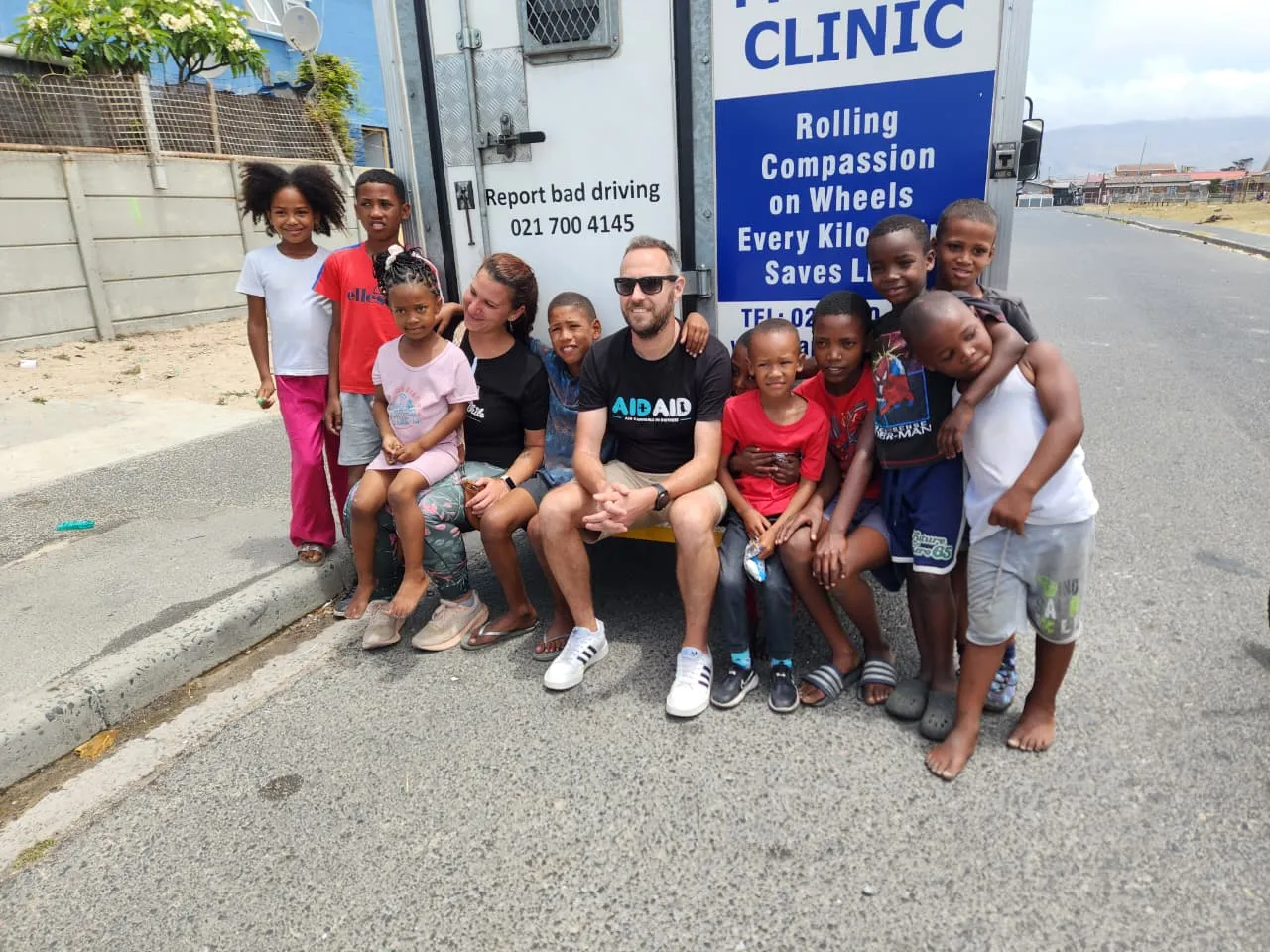
Rescuing animals one at a time never gets ahead of the problem. Since February 2025 we have been running mass sterilisation days in Lavender Hill and Cafda — communities with severe animal overpopulation and, until then, no sterilisation programme at all.
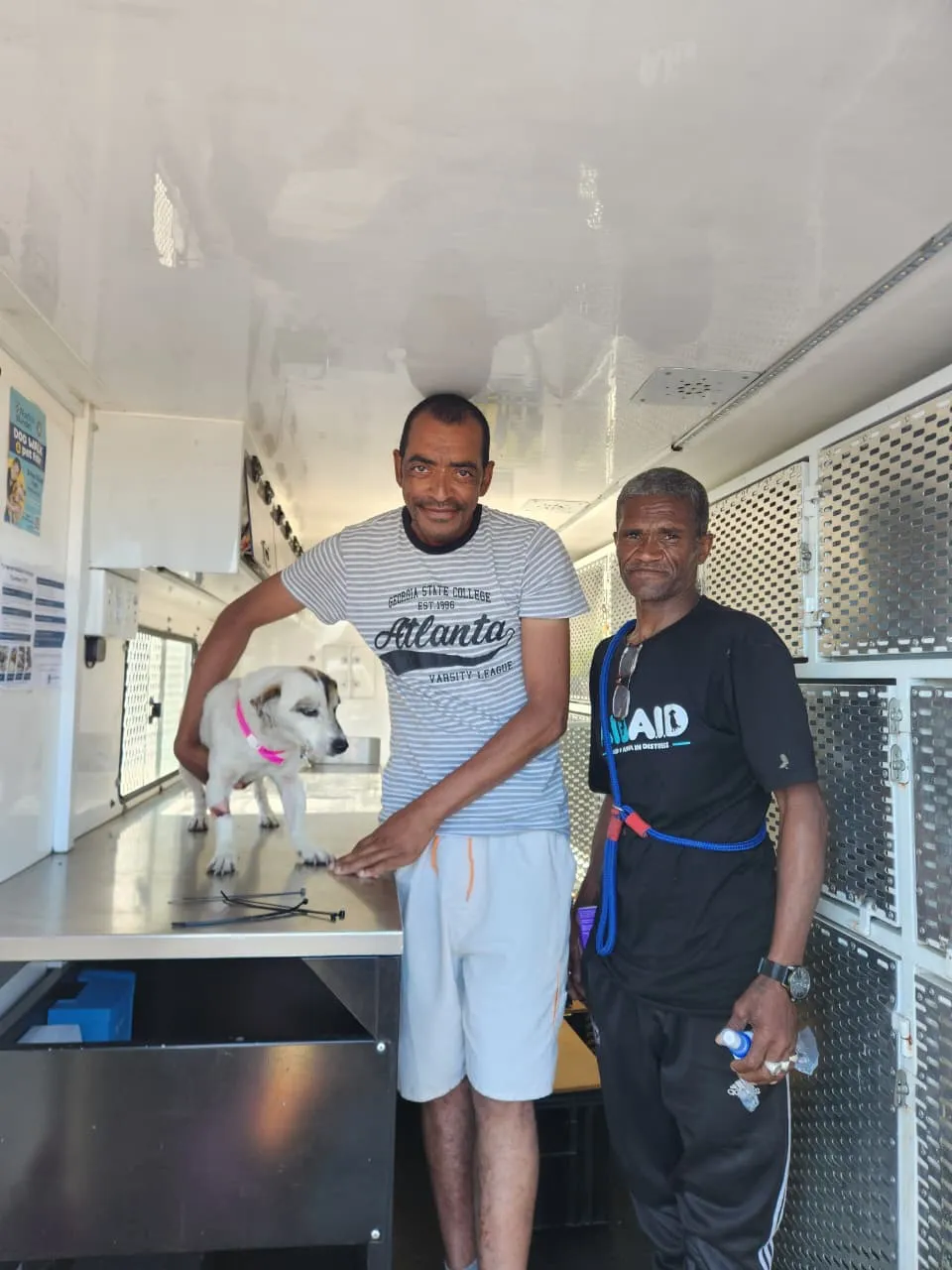
Our field workers sign animals up door to door. The SPCA mobile unit or our own team collects them, they are treated either at the SPCA hospital or in a theatre set up on site, and they go home the same day or the next with a bag of food.
That is 1 057 animals so far. In Lavender Hill the breeding measurably slowed once we passed roughly 700, which is the whole point — beyond a certain level of coverage the population becomes manageable instead of endless.
What every animal gets
- Defleaed
- Dewormed
- Vaccinated
- Sterilised
- Microchipped
- Sent home with food
Outreach & educate
Not every animal in trouble needs rescuing. Some just need their owner to have what they need to look after them.
We send food, blankets and supplies to underprivileged homes in the greater south that are struggling to care for their own animals, and we pay for sterilisations at the local SPCA for owners who can't afford the procedure. Keeping an animal fed and warm in the home it already has is cheaper, kinder and less disruptive than taking it into care.
Education is one of our founding objectives, and in practice most of it happens on doorsteps rather than in classrooms. The field-worker team's daily conversations about sterilisation — why it matters, what it prevents, that the law requires it — are why 1 057 animals have been signed up rather than rounded up.
See the wishlist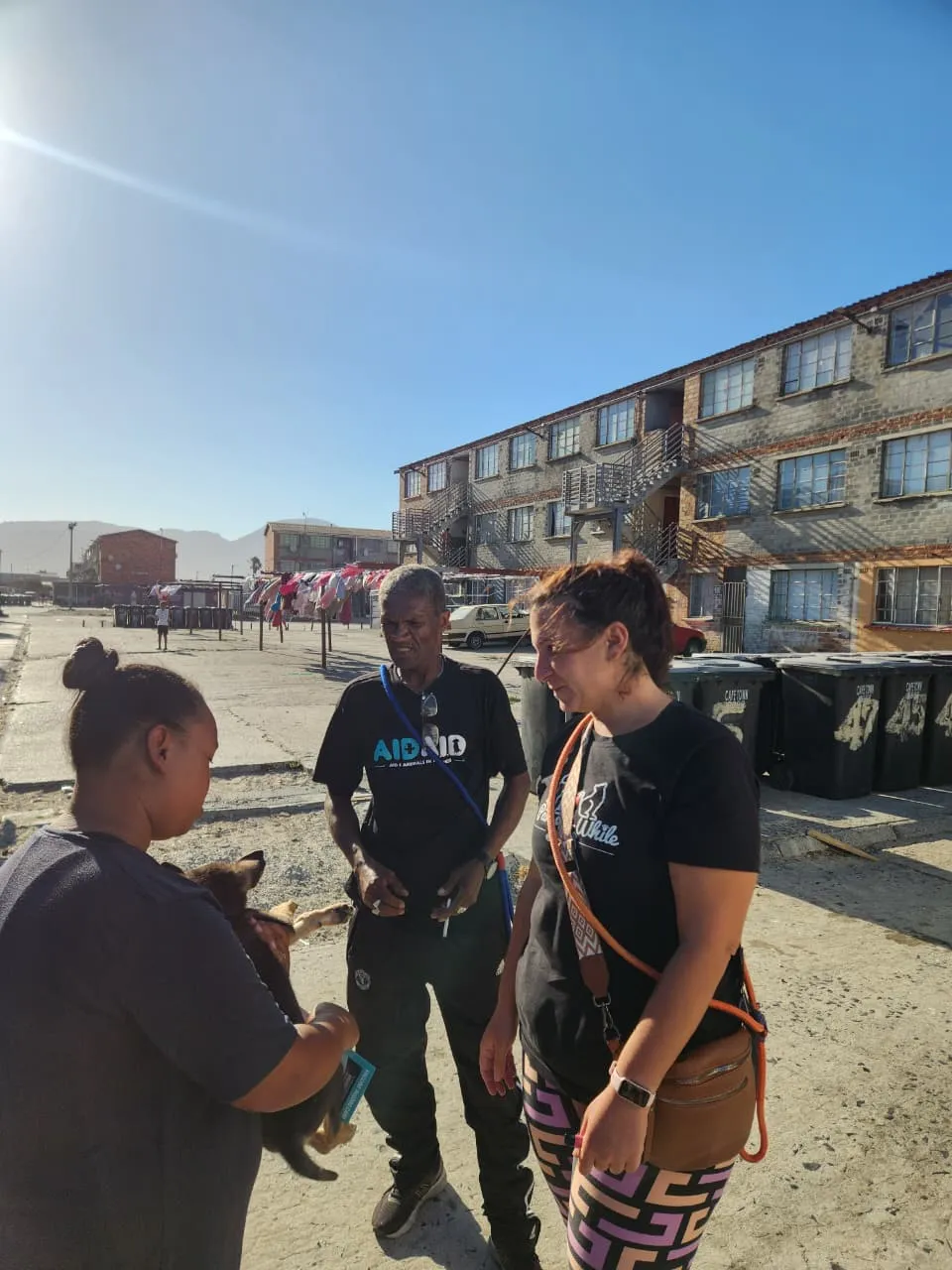
Meet the team
Nobody here is paid
Working professionals doing this over and above their day jobs.
Grant O'Neill
ChairpersonWhatsApp Grant O'Neill on 072 474 0787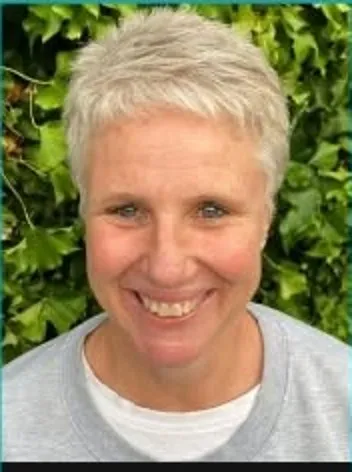
Leanne Gericke
Vice-ChairpersonWhatsApp Leanne Gericke on 083 777 7528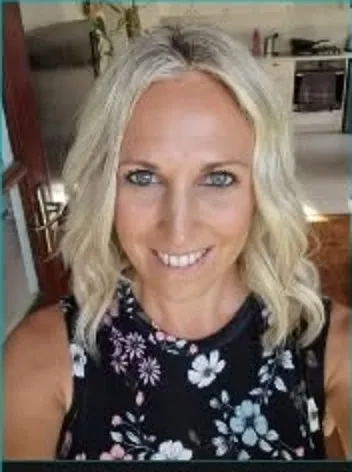
Blair O'Neill
TreasurerWhatsApp Blair O'Neill on 084 506 9297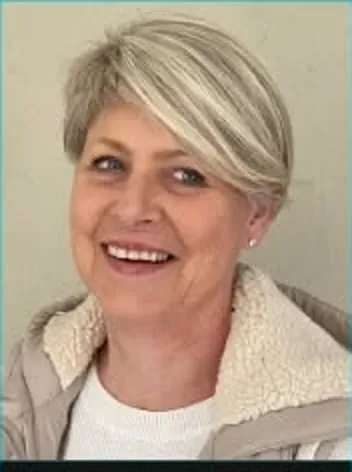
Colleen Louw
Kitten QueenWhatsApp Colleen Louw on 072 208 6394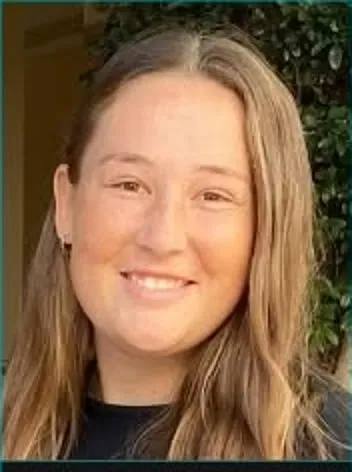
Dani
OperationsWhatsApp Dani on 071 688 7933
The field-worker team
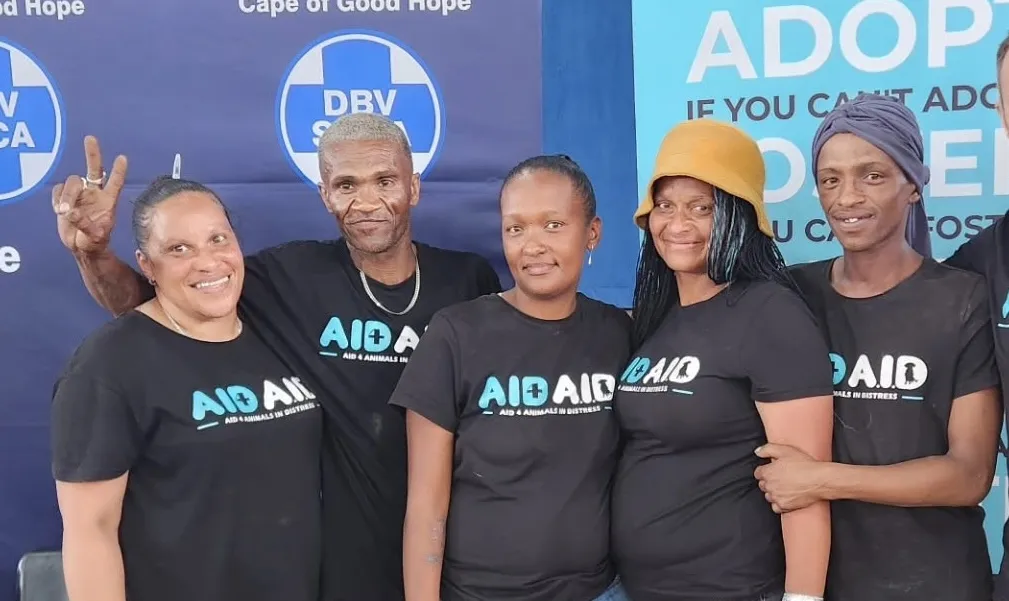
Out on the streets of Lavender Hill and Cafda every day, the field workers are the heart of the work there. They sign animals up for sterilisation door to door, teach owners how to care for their animals doorstep by doorstep, and help rescue animals in distress.
- JJ Jones — lead
- Roxanne Alard
- Gadija Abrahams
- Shenees Daniels
- Nicole Southgate